| ADOBE PHOTOSHOP |
| |
| Adobe Photoshop is an Image Processing software package that enables you to create & edit images on IBM personal Computers. Adobe Photoshop is acknowledged in professional fields as the cutting-edge Program, the final word in Commercial Art. |
| |
| Salient Features |
~
~
~
~
~
~
~ |
With Photoshop's tools you can paint a likeness of a physical object
Mixing and Manipulating of colours at a click of a button.
You can Blend 2 Images.
You can create Patterns and Artistic Designs using Fills and Colours.
You can manipulate your Design images with Special Effects and Techniques.
You can Import and Export your Images.
Retouch, Manipulate and Enhance Designs & patterns. |
| |
| Application |
| |
~
~
~
~
~
~
~ |
It has been used to edit and create images as diverse as Commercial Art, Cosmetic ads, New Photos, Motion picture footage, Animation cells & Fine Art work.
Creates original Art & converts it to desired Platforms.
Retouch, manipulate & enhance photographs of Digital arts.
Master the special effects you've always wanted.
Learn the secrets of Output & Storage of your Images.
Web page designing. |
| |
For Photoshop Topics Covered |
| |
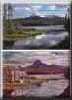
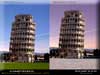
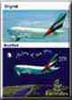
| Our Student's photoshop Projects |
| |
 |
 |
 |
 |
|
| |
|
| |
| CorelDRAW |
| |
| CorelDRAW is a Vector graphic software, allowing the user to produce World Class Illustrations with 16.7 million colours. |
| |
| Salient Features |
| |
| ~ |
With CorelDRAW you can create Illustrations from scratch, enhance the Designs, use and embellish scanned Photos of your Digital Art, and send your finished work out in many ways. |
| ~ |
Vector-based drawing Program with extensive text handling and precision-drawing features. |
| ~ |
Ideal tool for virtually any design project from Commercial Art to technical illustrations, advertisements, publishing and Internet publishing.
|
| |
| Application |
| |
~
~
~
~
~
~
~
~
~
|
Full-color Design Illustrations.
Complex Design Drawings.
Commercial Art.
Photorealistic Design Images.
Surrealistic Images.
Animation sequences.
Libraries of Designs.
High-quality drawings from low-resolution originals.
Web page designing. |
| |
| For CorelDRAW Topics Covered |
 |
| Illustrator |
| |
| Illustrator is a vector graphics creation software for print media and web, allowing the user to produce World Class Illustrations with 16.7 million colors. |
| |
| Salient Features |
| |
~
~
~
~
~
|
Creative tools for Print Media Output.
Sophisticated Web Graphic Tools.
Special Effects to Images.
Versatile Transparency Capabilities
Dynamic Media Projects
|
| |
| Application |
| |
~
~
~
~
~ |
Complex and High Quality Output.
Logos.
Libraries.
High Quality Illustrations.
Creating Banners, Posters, Handbills etc |
| |
| Career Options |
| |
| ~ |
Graphic Designer |
| |
| For Illustrator Topics Covered |
| |
| Our Student's Illustrator/Coreldraw Projects |
| |
 |
 |
 |
 |
| |
|
|
|
|
| |
|
| InDesign |
| |
| Design compelling page layouts that include transparency, creative effects, and gradient feathers. Since effects are live and nondestructive, you can experiment with ease. Apply effects independently to an object's stroke, fill, or content. |
| |
| Salient Features |
| |
~ |
Extensive integration
Work smoothly with Adobe Photoshop, Illustrator, Acrobat, InCopy, and Dreamweaver software;enjoy consistency by using shared presets and color settings; work more efficiently with native file ;format ;support; and easily publish to multiple media. |
| |
| ~ |
Creative effects and controls
Design compelling page layouts that include transparency, creative effects, and gradient feathers. Since ;effects are live and nondestructive, you can experiment with ease. Apply effects independently to an ;object's stroke, fill, or content. |
| |
| ~ |
Reliable prepress and printing
Have confidence in your output. Get accurate, consistent results every time you print using sophisticated preview capabilities, exporting reliable Adobe PDF files, and sharing custom presets. |
| |
| Application |
| |
~
~
~
~
~ |
Creative effects and controls
Reliable prepress and printing
Productivity enhancement
Professional typographical controls
Robust long-document support
|
| |
| For InDesign Topics Covered |
| |
| Our Student's Indesign Projects |
| |
 |
 |
 |
 |
|
| |
|
| |
| ADOBE FLASH |
| |
An extremely popular multimedia authoring and playback system from Adobe. Flash formats are used for most of the animated ads and video clips on today's Web sites. Flash Lite is a version for mobile phones.
Created in authoring applications, such as Flash MX and Flash Professional, Flash "movies" in the .SWF file format are played back in Adobe's Flash Player within the Web browser or from a stand-alone application that accesses the Player.
Flash animations became very popular because they support vector images, which are very space efficient for illustrations on the Web. They also scale up and down with accurate detail when the window is resize |
| |
| Salient Features |
| |
| ~ |
Create high-performance, real-time effects for cinematic experiences that quickly engage users. |
| ~ |
Take advantage of a new, flexible text engine that brings print-quality publishing to the web |
| ~ |
Add real-time dynamic effects with built-in filters for blur, drop shadow, glow, bevel, gradient glow, gradient bevel, displacement map, convolution, and color matrix |
| ~ |
Deliver web applications with accurate color, so your favorite web destinations look the way they were intended |
| ~ |
Bring your designs to life with animation and compositing capabilities, such as support for alpha channels, masking, and layering. Create stunning motion graphics integrated with images and video. |
| |
| Application |
| |
~
~
|
Flash is Primarily an animation tool for the Web.
You can also create Corporate presentations and 2D Animations. |
| |
| For Flash Topics Covered |
| |
| SOUND FORGE |
| |
Sound Forge is a world class Program used for Sound Editing, Compression, Special Effects and to super impose sound on video presentation and animation.
|
| |
| Salient Features |
| |
~
~
~
~ |
You can Record Sound and then edit it.
You can superimpose the sound files on Video presentation and Animation.
You can compress the sound files.
You can give Special Effects to the sound files. |
| |
| Application |
| |
| Sound forge is used by various professionals from the Music and Sound Industry such as Musicians, Sound Editors, Multimedia designers, Game designers, Studio engineers etc. |
| |
| ADOBE DREAMWAVER |
| |
| Dreamweaver is a professional authoring tool for creating and maintaining web-pages. It introduces ADOBE's Round-trip HTML technology, that imports HTML documents without reformatting the code and also makes it possible to use the latest Dynamic HTML features. All the code generated by it, works on as many platforms and browsers as possible. |
| |
| For Adobe Dreamweaver Topics Covered |
| |
| ADOBE DREAMWAVER(DATABASE) |
| |
| ADOBE Dreamweaver (Database) combines Dreamweaver's ease of use with the power of databases to create dynamically created web pages. Think of the results as Dreamweaver on steroids. ADOBE Dreamweaver Ultradev set ends Dreamweaver's renowned ease of use into the realm of database-driven web sites.
If you already use Dreamweaver, you'll feel right at home with Ultradev since the programs share many of the same interface features. ADOBE's Dreamweaver Ultradev has been a leading visual web design tool for many years allowing thousands to exchange the murky world of plain text code for easy drag and drop interface. |
| |
| SALIENT FEATURES |
| |
| ~ |
Creating a recordset for a sites product page, using a structured query language statement. |
| ~ |
Using SQL (Structured Query Language) to refine the recordset's precision by adding cross reference between the database tables. |
| ~ |
Linking placeholders images to specific database fields, allowing images to be dynamically served to a Web Page. |
| ~ |
Add a navigation bar that dynamically changes based on which product is being displayed. |
~
~
~
~
~ |
Creating delete, update, insert pages.
Creating SQL searches with SQL variables.
Ultradev supports major server models like ASP, JSP, CFML, PHP.
Supports custom made Extensions to improve the way data is handled.
Creating cookies, using the response, redirect variables, reading from a cookie. |
| |
| For Adobe Dreamweaver 8 (Database) Topics Covered |
| |
| HTML |
| |
| HTML (Hypertext Markup Language) is used to describe the layout of a web page. HTML is simply a vehicle to indicate elements of a hypertext page. The HTML page must tell the browser which applets to load and then where to put each applet on the web page. |
| |
| For HTML Topics Covered |
| |
| INTERNET ADVERTISING & GLOBAL MARKETING |
| |
| There are 600 millions documents on every possible subject and more than 1.5 million documents are uploaded everyday. The importance of "Variables" in the design of home pages to get maximum hits and hence achieve maximum marketing power. |
| |
| We, at COMPUFIELD, teach you : |
| |
~
~
~
~
~
|
How to make your Web Site attractive and powerful, so that you can attract business globally on the Internet.
The importance of "Variable" in the design of home pages to get maximum hits and hence achieve maximum Marketing power.
How to use the different search engines available, and explain the working and retrieval functions of these search engines.
How to register your Web pages (URL'S) with various search engines like Yahoo, Altavista, Infoseek, Webcrawler, Hotbot, Excite, America Online, 123 India, khoj etc. (200 Search Engines possible).
How to register your Web Site to various BBS, Usenet groups, Enzines, Exchange banner scheme. Additional Digital Marketing tricks available on Web. Mass E-Mailing. |
| |
| C |
| |
| C is a general purpose Programming Language. C has proven to be a pleasant, powerful, and versatile language for a wide variety of Programs. Many of the modern languages like C++, Visual C++, Java, JavaScript, etc. is based on C Language. Therefore, not Knowing this Language is considered as a handicap. 90% of UNIX Operating System is written in C Language. |
| |
| For C Topice Coverd |
|
| C++ |
| |
| C++ is a object oriented Programming language which includes concepts like polymorphism, data-hiding, operator overloading, encapsulation and inheritance, which are not observed in C. User defined objects (instances) can be reused with and without modifications to generate new application. This reduces coding to greater extent. Even for file accessing, we use file objects. |
| |
| For C++ Topice Coverd |
| |
| JAVA DEVELOPMENT KIT (JDK) |
| |
| Java is platform independent, reliable Programming language introduced by sun systems, used mainly to Develop Internet applications and applets. Java is used to create web-based applications and allows user interaction on the Internet. Java allows us to have animation, audio and video clippings in our web page. Java Programming helps in writing Programs using which one can connect to any computer on the Internet. |
| |
| For Salient Features & Applications |
| |
| JAVABEANS |
| |
| JavaBeans component architecture is the platform-neutral architecture for the Java application environment. |
| |
| For Salient Features & Applications |
| |
| JDBC(JAVA DATABASE CONNECTIVITY) |
| |
| JDBC technology is an API that lets you access virtually any tabular data source from the JavaTM programming language. It provides cross-DBMS connectivity to a wide range of SQL databases, and now, with the new JDBC API, it also provides access to other tabular data sources, such as spreadsheets or flat files. |
| |
| For Salient Features & Applications |
| |
| Java-Servlet |
| |
| Servlets are used for Server-Side Programming. Servlets are generic extensions to Java-enabled servers. Their most common use is to extend Webservers, providing a very secure, portable and easy-to-use replacement for CGI. A Servlet is a dynamically loaded module that services requests from a Webserver. It runs entirely inside the Java Virtual Machine. |
| |
| Salient Features |
| |
~
|
Processing data posted over https using an HTML form, including purchase order or credit card data. A servlet like this could be part of an order-entry and processing system, working with product and inventory databases, and perhaps an on-line payment system. |
~
|
Allowing collaboration between people. A servlet can handle multiple requests concurrently; they can synchronize requests to support systems such as on-line conferencing. |
~
|
Forwarding requests. Servlets can forward requests to other servers and servlets. This allows them to be used to balance load among several servers that mirror the same content. It also allows them to be used to partition a single logical service over several servers, according to task type or organizational boundaries. |
~
|
Being a community of active agents. A servlet writer could define active agents that share work among each other. Each agent would be a servlet, and the agents could pass data among themselves. |
| |
| Application |
| |
~
~
~
~
|
Create JDBC connection pool.
Create an Online Catalog System.
Developing E-Commerce "store fronts" will become one of the most common uses for Java Servlets.
Servlets can be used to deploy Websites that open up large legacy systems on the Internet. |
| |
| For Java-Servlet Topics Covered |
| |
| JSP |
| |
| JavaServer Pages involves generating HTML pages from hybrid HTML/Java source files. These source files are typically named using the .jsp extension (though this isn't a requirement). Java source code is embedded in .jsp pages using JSP tags that are described in the JSP 1.1 specification. |
| |
| Salient Features |
| |
~
|
JSPs allow you to combine the HTML of a Web page with pieces of Java code in the same document. The Java code is surrounded by special tags that tell the JSP container that it should use the code to generate a servlet, or part of one. The benefit of JSPs is that you can maintain a single document that represents both the page and the Java code that enables it. |
| |
| Application |
| |
~
|
Open source has brought a lot more than Linux to the computing world. It has also given us PHP and MySQL. PHP and MySQL are the world's best combination for creating data-driven sites. |
| |
| Topics Covered |
| |
~
~
~
~
~
~
~
~ |
Working with forms.
Working with files.
Working with Dates, Strings, Regular Expressions.
Working with Dynamic images.
Database integration.
Saving state with cookies, query.
Strings, Session Functions.
Debugging. |
| |
| J2EE |
| |
| J2EE is a multitiered application architecture. The J2EE specification defines roles based on certain functionality in the normal course of development and deployment of a J2EE application. |
| |
| Salient Features |
| |
~
|
A J2EE component is a self-contained functional software unit that is assembled into a J2EE
application;
it then interfaces with other application components |
| |
| Application |
| |
| ~ |
You can develop servlet-based Web application that can process HTML forms and generate
dynamic
content using the J2EE |
| |
| Peeequisites(Should have knowledge of) |
| |
~
~ |
Basic programming
Experience in Java is must |
| |
| For J2EE Topics Covered |
| |
|
| PHP+MySQL |
| |
| PHP |
| |
| PHP is a powerful cross platform server side script language. It is a full featured programming language capable of managing huge database driven online environments. Using PHP you can query databases, create images, read & write files, talk to remote servers - the possibilities are endless. |
| |
| Salient Features |
| |
| PHP is an HTML-embedded scripting language. Much of its syntax is borrowed from C, Java and Perl with a couple of unique PHP-specific features thrown in. The goal of the language is to allow web developers to write dynamically generated pages quickly |
| |
| Application |
| |
| Open source has brought a lot more than Linux to the computing world. It has also given us PHP and MySQL. PHP and MySQL are the world's best combination for creating data-driven sites. |
| |
| PHP Mysql Topice Coverd |
| |
| MySQL |
| |
| Salient Features |
| |
It’s easy to use:
MySQL software can be downloaded in less than 15 minutes.
It’s flexible: MySQL runs on more than 20 platforms, including Windows, Mac OS X, and Linux, and its open source code allows you to customize it to fit your unique requirements.
It’s highly scalable: Whether you're looking to post a few things a month to your Web site or looking to add content daily, MySQL is fit to handle Web sites large and small and will easily grow as your business does.
It’s free: A commercial license can be bought if you plan on redistributing it.
It’s secure: Security features ensure that only authorized users can access your databases.
It also provides 24/7 tech support and community support. |
| |
| Application |
| |
| Open source has brought a lot more than Unix to the computing world. It has also given us Linux, PHP and MySQL. PHP and MySQL
are the world's best combination for creating database-driven sites. |
| |
| MySQL Topice Coverd |
| |
| ASP.NET |
| |
| The Internet has revolutionized the way organizations think about application development and deployment. The leap from traditional client-server development to web base development takes more than accessing data through a browser. |
| |
| Salient Features |
| |
~
~
~
~
~
~
~
~
~ |
ASP.NET helps to develop web-based applications with high performance and scalability.
Develop web-based applications using ASP.NET
Apply client-side and server-side programming, DHTML, scripting.
Analyze the performance issues involved in developing applications on the net.
Evaluate the use of client-side scripting vs. server-side scripting.
Develop applications using ASP.NET, XML and databases.
Obtain and process information about server, clients, and users.
Keeping track of client interactions.
Develop and deploy applications using Microsoft InterDev and Studio. |
| |
| For ASP.NET Topics Covered |
|
| VB.NET |
| |
| Salient Features |
| |
~
~
~
~
~
~
~ |
A brief history of .Net
Backbone of .Net framework
The ingredients of .NET
The .NET & web classes
Web Services and the next-generation Internet
Integration which more than 20 languages
Compatibility with commerce server & Biztak Server |
| |
| Application |
| |
~
~
~ |
Web solution.
Net security
ERP solution |
| |
| PREREQUISITES (Should have knowledge of) |
| |
~
~ |
Basic programming
Experience in Visual Basic is a plus |
| |
| For VB.NET Topics Covered |
| |
| Oracle - SQL |
| |
| Oracle is a Relational Database Management System(RDBMS). Oracle is the latest technology, today's system Designers and Developers can build 21st century enabled applications.
Oracle has also demonstrated a continuous ability to build products that help us exceed the demands of the information enabling age we live in. |
| |
| Salient Featurs |
| |
| ~ |
Oracle has sophisticated security mechanisms control access to sensitive data by an assortment of privileges. |
| ~ |
Oracle provides sophisticated backup & recovery routines. Backup creates a second copy of Oracle Data, recovery restores a copy of data from back up. |
| ~ |
Oracle provides flexible space management. It has special abilities that are capable of handling very large databases. |
| ~ |
Oracle provides open connectivity to & from other vendor's software. |
| ~ |
Oracle server supports a wide range of Development tools, end user query tools, off the shelf applications & office wide information tools. |
| |
| Application |
| |
~
~
~
~
~
~ |
Education Industry
Software Development Industry
Data warehouse and maintenance
Domestic Air Services
Production Industry
Banking Industry |
| |
| For Oracle Sql Topics Covered |
| |
| MICROSOFT SQL SERVER |
| |
| SQL Server is the Database Management System(RDBMS) that allows to store huge Databases and manage the same easily. It is an enterprise database management and analysis system.
; |
| |
| Salient Features |
| |
~
~
~
~
~
|
XML Support : Simplify the integration of your back-end systems and data transfer across firewalls using XML.
High Availability : Maximize the availability of your business applications with log shipping, online backups.
Automated Tuning : Automatic tuning and maintenance features enable administrators to focus on other critical tasks.
Improved Developer Productivity : User-defined functions, cascading referential integrity, and the integrated Transact-SQL debugger allow you to reuse code to simplify the development process.
Security : Ensure your applications are secure in any networked environment, with role-based security and file and network encryption.
Data Transformation Services : Automate routines that extract, transform, and load data from heterogeneous sources. |
| |
| Application |
| |
~
~
~
~
~
~
~ |
Multinational Companies with huge database to be maintained
Banking Industry
Production Industry
Data warehousing companies
Educational / Training Industry
Air-transportation Service Industry
Any business or service industry that stores database |
| |
| For Microsoft SQL Server Topice Covered |
| |
|
| |
| Course Duration |
Fees (Indian RS.) |
Fees (US $) |
| 900 sessions of 1 hr. each |
1,25,000 |
3730 |
|
















 +91-22-23676218 / 23671772